Garage Door Repair Sanibel logo
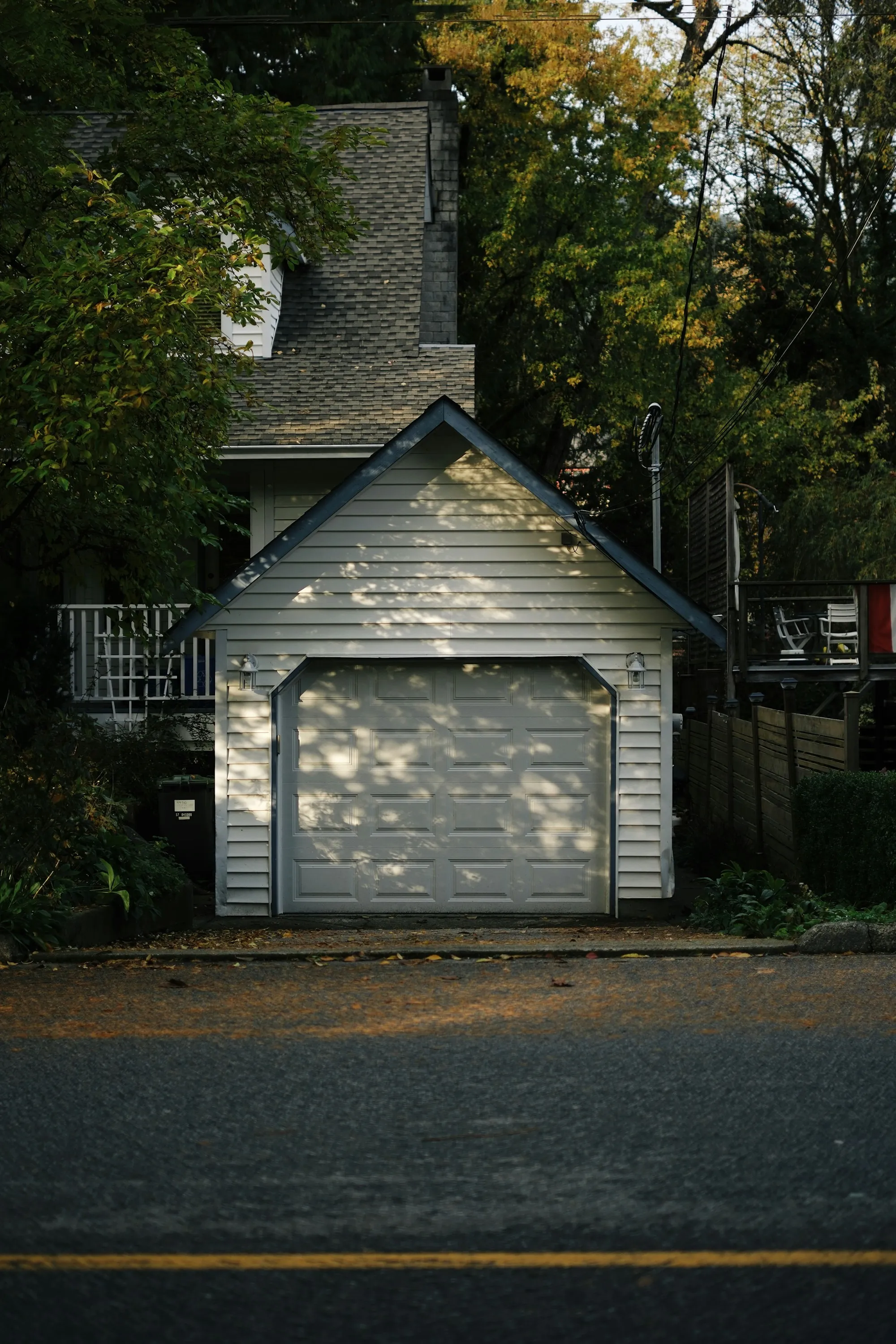
Detached garage with a white door and a short driveway

Garage door service

Sanibel Garage Door Repair for Doors That Run Quiet and Smooth

Fresh rollers, true tracks, balanced springs and openers that keep working when the power drops, so your garage door stops rattling the house and starts gliding.

Ask about a quieter door — (239) 388-2592

Four Signs a Door Has Stopped Running Smoothly

  • A squeal or grind on every trip

    Dry bearings, worn roller wheels and hinges that have lost their lubricant announce themselves with noise. It is the cheapest warning you will get, and it usually points to a simple fix.

  • A shudder partway up or down

    Jerky travel often comes from rollers that wobble, a track that has drifted out of line, or springs that no longer share the weight evenly with the opener.

  • A door that will not stay put

    Ask a technician to release the opener and lift the door halfway. If it sinks or floats away, the balance is off and the opener is straining to make up the difference.

  • An opener that goes dark in an outage

    When the power blinks and the door will not budge, you are hauling it up by hand or leaving the car stuck. Battery backup exists for exactly that moment.

Repair and installation

Fourteen Ways We Keep Doors Smooth and Reliable

From one worn roller to a full opener swap or a new door, each service has its own page with the warning signs, the repair steps and straight answers.

Hand tools hanging in an organized wall rack

Smooth and quiet

What Makes a Garage Door Run Quiet

A quiet door is mostly a matter of small parts doing their jobs. Sealed rollers glide instead of grinding, hinges pivot without binding, and the tracks sit parallel and clean so nothing scrapes. When those pieces are tired or dry, every trip sends a rumble through the frame, which you feel most when bedrooms sit above the garage.

Balance is the other half. Springs that carry the door's weight let the opener guide rather than haul, and that lowers noise, wear and the chance of a sudden failure. We tune all of it together instead of chasing the loudest sound.

  • Sealed rollers and sound hinges

    Nylon rollers with sealed bearings roll almost silently, and fresh hinges stop sections from rubbing. Together they remove most of the clatter people blame on the opener.

  • Lubrication in the right places

    A garage door lubricant belongs on bearings, hinge pivots and springs. The tracks get wiped clean and left dry, because grease there only collects grit and makes rollers skid.

  • Balance and track alignment

    We check that the door sits level, the springs share the load and the tracks run parallel. A door that travels straight rarely rattles, and the opener lasts longer.

Hear how we quiet a noisy door — (239) 388-2592

Openers that keep working

Openers Built for Power Cuts and Smart Control

A garage door opener should not leave you stuck when the lights go out. A battery backup unit keeps the motor running through an outage for a set number of cycles, which is typically plenty to drive out and lock the garage behind you.

Smart controls add a different kind of peace of mind. A Wi-Fi opener reports whether the door is shut, lets you close it from your phone and can send an alert. We help you weigh belt, chain and wall-mount drives against your garage layout and who sleeps nearby.

Compare opener options with us — (239) 388-2592

Single-story home with a dark garage door and palm trees at dusk

How We Keep Repairs Quiet and Lasting

  1. 01

    We listen before we lift a wrench

    A good description of the sound, the movement and the opener's behavior narrows the cause. We start with what you noticed, then confirm it by testing the door by hand.

  2. 02

    Parts matched to your door

    Roller size, spring wire and hinge numbers follow your door's weight and track, not a one-size kit. Matching the parts is what keeps a repair quiet for the long haul.

  3. 03

    Repair first, replacement when it earns it

    Most noise and balance trouble is solved with parts. If cracked panels or rust make a new door the better route, we show you why and the decision stays yours.

Three Steps to a Door You Barely Hear

The order stays the same on every visit, whether the job is a set of rollers or a battery-backup opener.

  1. 1

    Describe what you hear and see

    Tell us the sound, where in the travel it happens and what the opener does in an outage. Those details point us to the likely parts before the visit.

  2. 2

    We test the whole path

    We release the opener, lift the door by hand and look over rollers, hinges, springs, cables, tracks and sensors, then explain what we found in plain words.

  3. 3

    We fix it, then prove it

    Parts are replaced, the door is balanced and lubricated, the opener's limits are reset and the auto-reverse is tested while you watch and listen.

Garage Door Questions, Answered Plainly

How many years can I expect from a garage door spring?

It depends on use more than age. A standard spring is rated for about 10,000 cycles, with one cycle being a full open and close. Divide that by how often your door runs each day for a rough lifespan, and ask about high-cycle springs if the door works hard.

Torsion springs or extension springs: what is the real difference?

Torsion springs ride on a shaft over the door and wind up to lift it, which gives a smooth, even pull. Extension springs stretch along the horizontal tracks and tend to feel jerkier as they age. Many older doors can be converted to torsion for steadier, quieter travel.

The opener hums but the door will not move. What is wrong?

Look at the door before the motor. A broken spring leaves the door too heavy for the opener, which then hums or lifts a few inches and stops. A stripped drive gear or a disconnected trolley can sound the same, so a technician should check all three.

Can I keep using the door with a frayed cable or a broken spring?

Please do not. A frayed cable can let go without notice and drop one corner of the door, and a door with a broken spring is far heavier than the opener was built to lift. Leave it closed, keep people and cars clear, and get it repaired before the next use.

How long should I plan for a new door to go in?

Most single-door installs take part of a day once the door is on site. The work covers removing the old door, tracks and springs, hanging the new sections and adjusting the opener. Replacement doors in Florida also need a permit and an inspection, which follow their own schedule.

Why is my garage door so loud, and can it be made quieter?

Noise usually comes from worn rollers, dry hinges, loose hardware or a track that has drifted out of line, sometimes joined by a chain-drive opener. Sealed nylon rollers, fresh hinges, proper lubrication and a belt-drive opener make a big difference, and most loud doors respond well.

Are smart openers and battery backup worth adding?

Battery backup is worth it if an outage has ever left you wondering how to get the car out; it powers a limited number of cycles. A Wi-Fi opener adds status checks, phone control and alerts. Both are conveniences, so choose what fits how you actually use the garage.

Where We Tune and Repair Doors

We work on the island and across the causeway. If your street is not listed, describe where you are when you phone and we will tell you whether it fits.

  • Sanibel

    Homes with the garage under the living space feel every rumble, so a balanced door on sealed rollers pays off in quiet upstairs.

  • Captiva

    Houses that sit closed up between stays benefit from a pre-season tune-up and an opener with battery backup.

  • Punta Rassa

    Commuters near the causeway lean on one door every morning, so smooth travel and a dependable remote matter.

  • Iona

    Plenty of openers here predate battery backup and smart controls, which makes them good candidates for an upgrade.

  • McGregor

    Established homes along the corridor often still run extension springs that can be swapped for a smoother torsion setup.

  • Fort Myers Beach

    Rebuilt homes with new doors and openers gain from a careful balance check and a tested backup battery.

Is Your Garage Door Louder Than It Used to Be?

Tell us what you hear and when it happens. Most noise traces to a handful of parts, and a short description often points to which one.

Describe the noise to us — (239) 388-2592
Hammer, pliers and screwdriver on a dark wooden bench

Let's Make the Door Quiet Again

Whether it squeals, shudders or goes dead in a power cut, you will get a plain explanation and a fix that suits your door.

Start with a conversation — (239) 388-2592