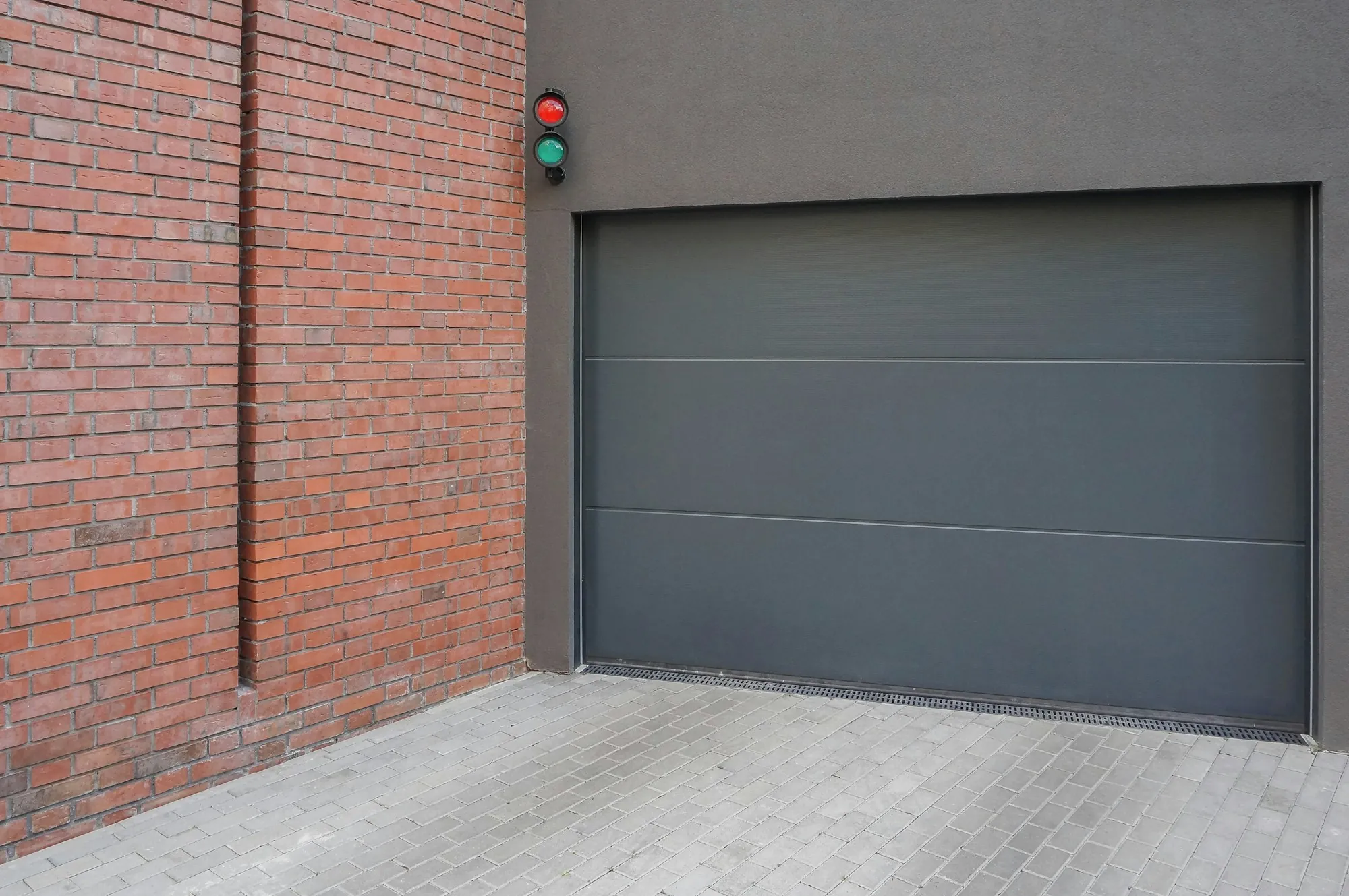
A garage door is a team of parts, and when one weakens the rest compensate. A dry bearing adds drag, drag strains the opener, and the strain shows up as noise, shudder or a door that refuses to close all the way.
Our repair visits begin by releasing the opener and moving the door by hand, which tells us more about balance and binding than any amount of listening. Then we fix the actual cause, set the door level and leave it running smoothly.
What a Struggling Door Does
It wanders to one side
A door that rises crooked or leaves a wedge of daylight on one side usually has a slipped cable, a worn drum or a roller riding outside its channel.
It stops, reverses or hesitates
Photo-eyes out of line, a binding track or weak springs can all make the opener back off partway. The pattern of when it happens points to the cause.
It sounds different than last month
New popping, scraping or squealing means something has shifted or dried out. Catching the change early often keeps a small repair from becoming a bigger one.
The opener seems to work harder
A motor that labors, or a door that feels heavy by hand, is carrying weight the springs should handle, which wears out both the hardware and the opener.
How a Repair Visit Unfolds
1
A hands-on balance test
With the opener released, we lift the door partway and see whether it holds. That single test shows how much of the weight the springs are really carrying.
2
Targeted replacement
Failed rollers, hinges, springs, cables or sensors are replaced with parts sized to your door, so the repair lasts instead of acting as a patch.
3
Level, lubricate, listen
We square the door in the opening, lubricate the moving metal, reset the opener's limits and cycle the door until it runs evenly and quietly.
Common Repair Questions
Is a noisy door dangerous to keep using?
Noise alone is usually a warning rather than a failure, but grinding, banging or an uneven lift suggests a spring or cable nearing its limit. If the door tilts, jerks or drops, stop using it and have it checked.
Will a repair actually make the door quieter?
In most cases, yes. Worn rollers, dry hinges, loose hardware and poor balance cause the bulk of door noise, and each one responds to repair or adjustment. A chain-drive opener can still add sound, which a belt drive reduces.
How do I know whether to repair or replace?
If the trouble is a part, repair is the sensible answer. A new door enters the conversation once multiple panels are damaged, rust has reached the bottom edge or matching sections are discontinued. We explain the reasons so the decision is yours.
Let's Find What Is Behind the Noise
Tell us when the problem happens and what it sounds like. That usually narrows the cause to a couple of parts.