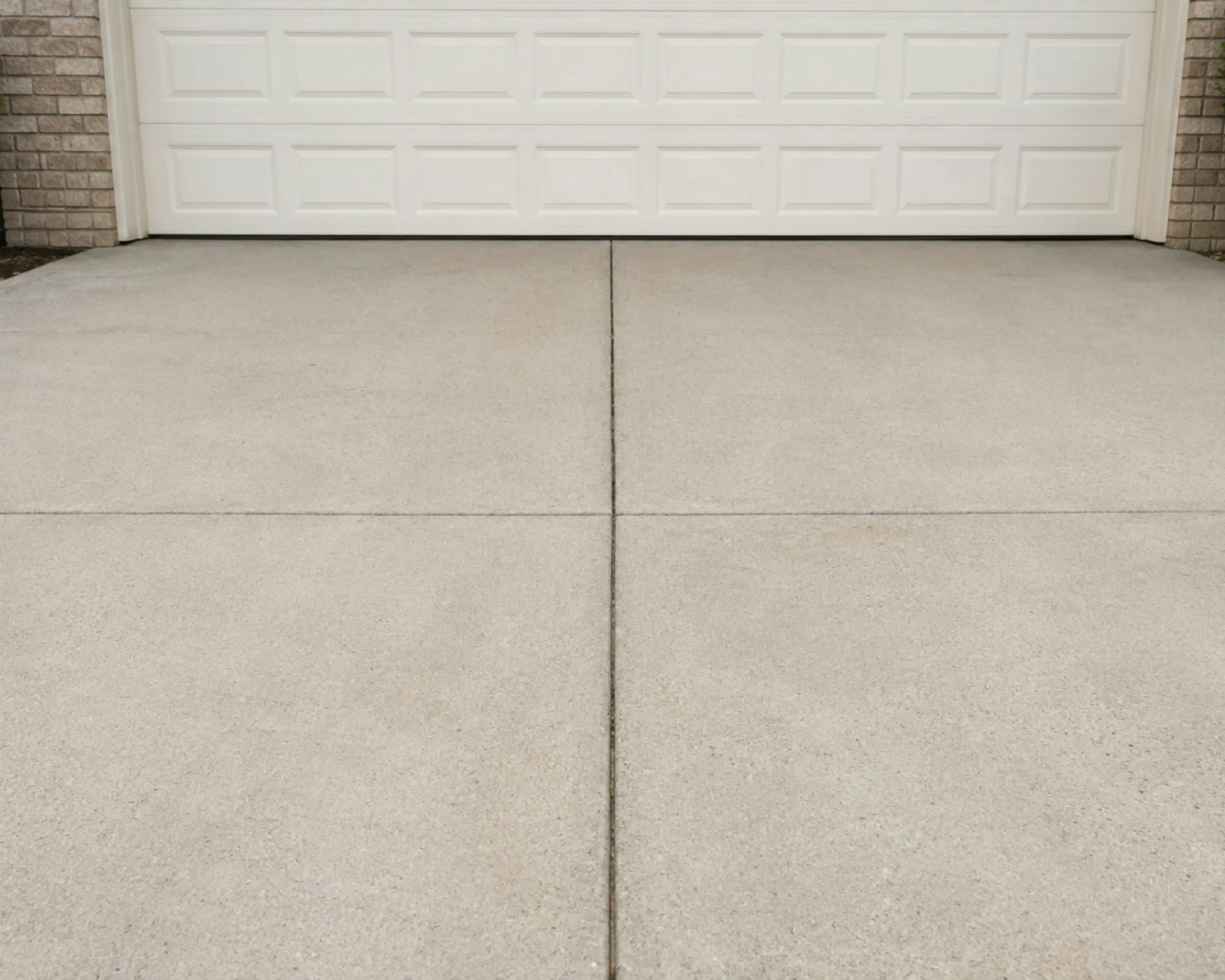
Sectional doors are built from separate panels, so trouble in one may not mean replacing them all. A cracked hinge line, a bumper dent or a bowed section can often be dealt with on its own.
Two details decide how well it works: whether the maker still produces a matching section, and how the swap changes the door's weight. We identify the model, confirm availability and retune the springs afterward so the door stays level and quiet.
Panel Damage Worth Attention
A low dent from a bumper
Most impact damage lands on the bottom section. A deep crease there can catch the track as the panel bends over the curve.
Cracks near the hinges
Fatigue cracks begin around the hinge screws and creep outward with each cycle, until the hinge works loose and the section starts to flex.
A bowed or buckled section
A section bowed at its center can brush the track, strain the rollers and add a scrape to every trip.
Rust along the bottom edge
The lowest panel corrodes first. When rust has eaten through, a patch seldom lasts and a replacement section is the better route.
How a Panel Gets Replaced
1
Identify the door
We read the label on the door's edge, or measure the sections, to work out the maker, model and panel pattern so a new section lines up.
2
Replace the section
Out comes the damaged section, and the replacement is hung with new hinges and rollers wherever the old ones show wear.
3
Retune the balance
A different panel changes the door's weight, so we adjust spring tension, square the door in the opening and test the opener again.
Panel Questions
Can a replacement section blend in with my existing door?
Shape and texture should line up if the maker still offers the design. Color can differ slightly where an older finish has faded, and we flag that before ordering so you can decide whether a close match is acceptable.
When is a whole new door the smarter choice?
Once multiple sections are badly damaged, rust runs through the door, or matching panels have been discontinued. A new door also lets you step up to an insulated or wind-rated model instead of patching an old one.
Can a damaged panel make the door noisy?
Yes. A bowed or cracked section flexes, rubs the track and loads the hinges, which adds scraping and rattling to every trip. Replacing it and rebalancing the door often brings the noise down noticeably once the weight is retuned.
Dented, Cracked or Bowed Section?
Tell us the door's make if you know it and what happened to the panel, and we will talk through what can be matched.